Put illegal dumping on the map.

Spotted trash or a dumpsite on BLM or other public land? Add a photo and GPS pin to a free, open registry that land managers, journalists, and volunteers can act on.

Free · No account required · 2 reports mapped

Live map — every report appears here the moment it's filed. Open the full map

2

reports on the public map

1

site the community marked cleaned

What belongs here

TrashMap documents dumped material on public land.

Yes

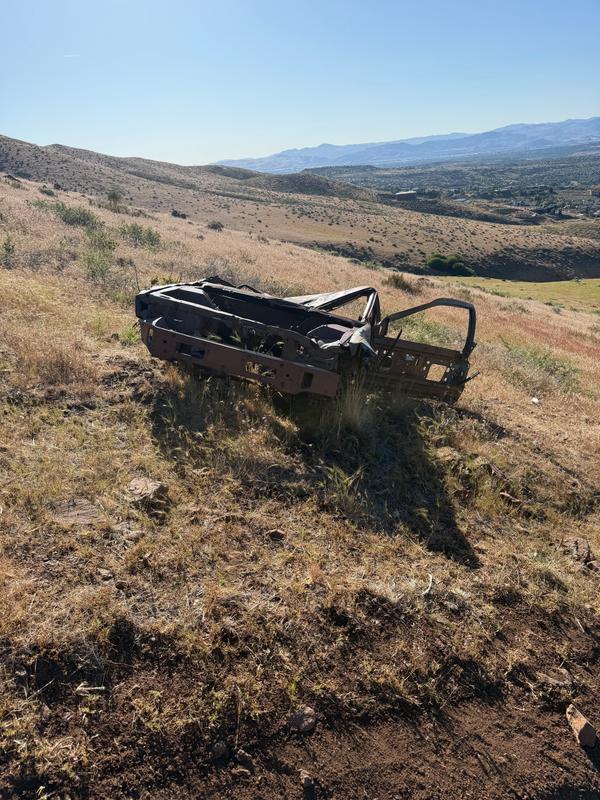
Household garbage, construction debris, furniture and appliances, tires, drums, burn piles, abandoned camps, a dumped vehicle, or a spot that keeps getting fouled.

No

Scattered litter, an overflowing public bin, a maintenance problem, or anything on private property. Those go to whoever manages the site — a report here won't reach them.

Stop and call first for hazardous material — EPA National Response Center 1-800-424-8802 — or dumping in progress (911).

Three steps, about two minutes

No training, no paperwork, no account. If you can take a photo, you can add to the record.

  1. 01

    Photograph it

    Snap a clear photo of the trash, dumpsite, or damage you encountered.

  2. 02

    Drop the pin

    Use your device's location, type the coordinates, or place the pin on the map.

  3. 03

    Make it public

    Your report joins the public map and gallery so anyone — including land managers — can see the pattern.

Built as open public-interest data

Every report is released into the public domain under CC0 — free for land managers, journalists, and researchers to download, map, and republish without restriction.

Land managers & agencies
See where dumping concentrates and prioritize patrols and cleanups.
Journalists & researchers
Download an open CSV or GeoJSON of coordinates, severity, timestamps, and photo URLs.
Volunteers & stewards
Find nearby sites, coordinate hauls, and log cleanups with before-and-after photos.

Recent dumping reports

View all →
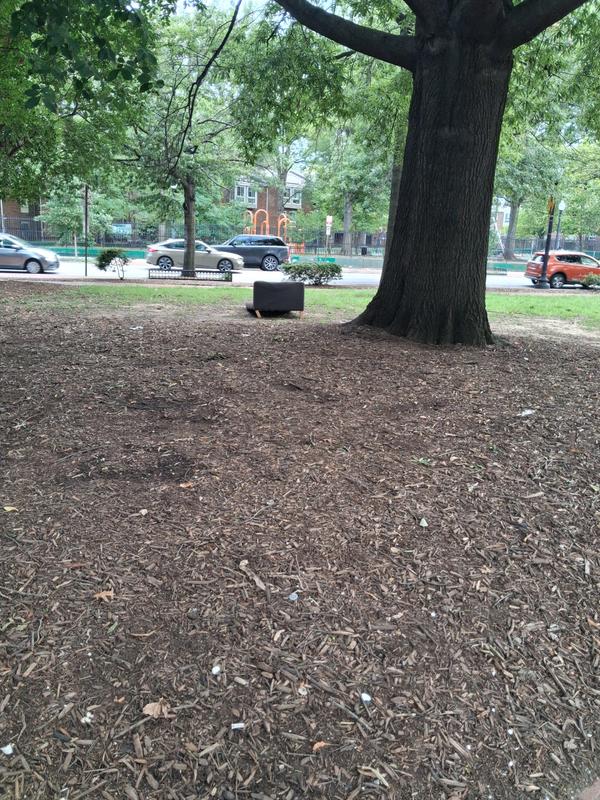
Illegally dumped furniture on "Reservation" land managed by NPS as part of the National Mall and…
Moderate

Illegally dumped furniture on "Reservation" land managed by NPS as part of the National Mall and Memorial Parks in the District of Columbia. Bordered by 1st St. NW / R St. NW / Florida Ave. NW in Washington, DC. Functionally, this NPS land is a small community park popular for dog-walking in the Bloomingdale and Truxton Circle neighborhoods. On Sunday mornings, it is adjacent to the Bloomingdale Farmers Market on R Street NW. The serial lack of attention by NPS to the "Reservations" it maintains in the District of Columbia speaks to the need to end taxation without representation & admit D.C. as the 51st State.

NPS "Reservation" in D.C. -- National Mall & Memorial Parks

TrashMap does not forward reports to any agency. See who to call for each agency — the numbers are in the footer of every page.

Frequently asked questions

More detail lives on the about page.

Do I need an account to report illegal dumping?

No. TrashMap is free and requires no account — anyone can file or browse a report.

What counts as illegal dumping on BLM or public land?

Dumped material on public land: household garbage, construction debris, furniture and appliances, tires, drums, burn piles, abandoned camps, or a dumped vehicle. Scattered litter, an overflowing public bin, and maintenance problems belong with whoever manages the site instead.

Will my report reach BLM Law Enforcement?

No. TrashMap is a public registry, not an enforcement channel, and it does not forward reports to any agency. Land managers and stewards can browse the map, but you need to call the managing agency yourself — for active crimes or hazardous spills, call 911 first.

Is my submission public?

Yes. Photo, GPS coordinates, severity, and description are all public immediately and are released into the public domain under CC0. Don't include personal information you wouldn't want shared permanently.

What severity levels can I report?

Minor (small litter), moderate (a visible dumpsite), severe (truckload-scale dumping or environmental damage), and hazardous (chemicals, sharps, asbestos, or other dangerous waste).